

Weed Bags
Weed bags play a crucial yet discreet role in the movement, storage, and organization of products across wholesale operations. From small quantities to bulk handling, the right weed bags influence protection, storage efficiency, and workflow control. Material choice, barrier performance, and sizing all factor into how inventory is managed behind the scenes. Understanding these details enables operators to select packaging that supports both daily operations and regulatory requirements.
We built The PPLs Plug to remove guesswork from wholesale sourcing. Every product, vendor, and listing in our marketplace is vetted with documentation, transparency, and consistency in mind. We connect serious operators with supplies they can rely on, while keeping compliance, traceability, and operational clarity at the center of every transaction. Our ecosystem is designed for businesses that value structure, accountability, and long-term growth.
In this article, we will explore how weed bags support wholesale storage, handling, and compliance needs, identify the key features to consider when sourcing them at scale, and provide guidance on selecting packaging that aligns with real operational workflows.
-
 Rated 0 out of 5Sale!Select options This product has multiple variants. The options may be chosen on the product pageLog In to see prices
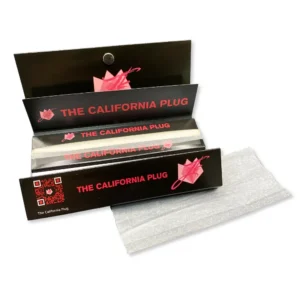
What Are Weed Bags And Why Are They Essential For Licensed Buyers?
Weed bags are packaging solutions used by licensed businesses to store, transport, and manage cannabis or hemp-related products in a controlled and organized way. Within wholesale and regulated markets, these bags are not casual accessories but functional tools that support inventory handling, product protection, and operational consistency across the supply chain.
Defining Weed Bags In A Wholesale Context
In a business setting, weed bags refer to durable packaging formats designed for bulk storage rather than consumer-facing presentation. Distributors, processors, and retailers commonly use these bags to manage raw materials, packaged goods, or intermediary inventory before final sale or redistribution.
Why Packaging Matters In Regulated Markets
Licensed buyers operate in environments where product handling and traceability are closely monitored. Weed bags help maintain separation between batches, simplify storage organization, and support internal controls that align with documentation and record-keeping requirements.
Supporting Product Protection During Storage
Proper weed bags serve as a barrier against external factors, including air, moisture, and physical damage. This protection is particularly significant for businesses that store products for extended periods or move inventory between locations, warehouses, or fulfillment centers.
Operational Efficiency For Bulk Inventory
Using standardized weed bags allows businesses to streamline storage workflows. Uniform packaging sizes and materials make stacking, labeling, and tracking inventory more efficient, reducing handling errors and simplifying stock management processes.
Versatility Across Product Categories
Weed bags are used for more than just one product type. Licensed buyers rely on them for flower, edibles, raw ingredients, samples, and accessories, making them a flexible packaging solution that fits multiple stages of wholesale operations.
Role In Transportation And Fulfillment
During transport, weed bags help keep products consolidated and protected. Their durability supports movement through shipping, receiving, and internal transfers without requiring additional layers of temporary packaging.
Spotlight On Our Weed Bags: Vacuum Seal Bags With Multi-Size Options
Our vacuum seal weed bags are designed to support licensed buyers who need reliable packaging for bulk storage, transport, and inventory organization. Built for durability and flexibility, these bags provide a practical solution for managing cannabis and hemp-related products within wholesale operations.
Multi-Size Options For Flexible Use
These vacuum seal bags are available in multiple sizes, allowing buyers to select the appropriate format for their varying inventory volumes. Smaller sizes support samples or partial batches, while larger bags accommodate bulk materials and high-volume storage needs.
Five-Ply Construction For Added Strength
Each bag features a five-ply construction that enhances durability and puncture resistance. This layered design helps protect contents during handling, stacking, and transport, making the bags suitable for repeated use within busy warehouse environments.
BPA-Free And Food-Grade Materials
Our weed bags are made using BPA-free materials and meet food-grade standards. This makes them suitable for storing a wide range of products, including edibles, ingredients, and raw materials, without introducing unwanted contaminants.
Vacuum Seal Compatibility
Designed for vacuum sealing, these bags help reduce air exposure and support compact storage. Removing excess air allows businesses to optimize storage space and maintain organized inventory layouts across shelves and bins.
Moisture And Odor Barrier Properties
The material composition helps limit moisture exposure and contains odors during storage and transport. These properties are especially valuable when managing mixed inventory in shared storage or distribution spaces.
Suitable For Cold Storage And Freezing
These vacuum seal bags are freezer-safe, supporting businesses that require cold storage for specific products or ingredients. The bags maintain structural integrity under low-temperature conditions.
Source weed bags with confidence through The PPLs Plug. We connect licensed buyers with verified vendors offering packaging built for real wholesale workflows. From bulk storage to daily handling, our marketplace ensures clear documentation, simple sourcing, and efficient operations. Join a network designed for businesses that value consistency, compliance, and reliable supply.
Exploring Wholesale Consumables: Essential Packaging And Supply Items
Wholesale consumables support the behind-the-scenes operations that keep licensed hemp and cannabinoid businesses running smoothly. These products are used for packaging, storage, handling, and fulfillment rather than direct resale, helping companies to maintain consistency and operational efficiency.
Packaging Supplies For Storage And Organization
Packaging consumables such as vacuum seal bags, barrier pouches, and zip bags are essential for organizing inventory and protecting products during internal handling. Multiple size options allow businesses to match packaging to specific quantities without overcomplicating storage workflows.
Shipping And Fulfillment Essentials
Consumables like packing tape, shipping labels, and protective materials support efficient order preparation and outbound logistics. Reliable fulfillment supplies help reduce delays, minimize handling errors, and maintain consistent shipping processes across daily operations.
Handling And Operational Supplies
Items such as gloves and other handling accessories support clean, repeatable processes during weighing, packaging, or repackaging. Standardized operational supplies help teams maintain organized workspaces and consistent procedures.
Pre-Roll Preparation And Support Items
Consumables also include pre-roll cones, tubes, and related accessories used during the staging or preparation process. Sourcing these items alongside other supplies simplifies procurement and reduces the need to manage multiple vendors.
Consolidated Sourcing Through The PPLs Plug
By offering essential consumables in one marketplace, The PPLs Plug allows businesses to source operational supplies alongside other wholesale needs. This centralized approach supports smoother workflows and more efficient inventory management.
Shelf Life Considerations: Light, Oxygen, And Moisture Barriers
Shelf life management for packaged hemp products depends on controlling environmental exposure. Light, oxygen, and moisture are the primary factors that influence product stability, documentation integrity, and storage reliability across wholesale and distribution environments.
- Light Exposure Control: Ultraviolet and ambient light can degrade cannabinoids over time, making opaque or UV-resistant packaging essential for maintaining product stability during storage, transport, and extended inventory holding periods.
- Opaque Packaging Materials: Weed bags made with dark or light-blocking layers help reduce photodegradation risks by limiting light penetration, thereby supporting longer shelf life and ensuring a more consistent product condition across batches.
- Oxygen Barrier Performance: Oxygen intrusion through weak seals or low-barrier materials can lead to oxidation, making high-barrier films and reliable sealing methods critical for preserving cannabinoid integrity during storage.
- Seal Quality & Air Reduction: Proper sealing techniques, including vacuum-compatible packaging, help minimize trapped air inside weed bags, reducing oxidation risk and supporting compact, organized storage configurations.
- Moisture Resistance & Humidity Control: Moisture exposure can introduce microbial risks and handling issues, making moisture-resistant liners and multi-layer construction essential for maintaining safe storage environments.
- Multi-Layer Barrier Construction: Weed bags designed with layered barrier films provide combined protection against light, oxygen, and moisture, supporting consistent storage conditions throughout warehousing and distribution processes.
Selecting packaging that addresses light, oxygen, and moisture exposure helps ensure a longer shelf life and more precise compliance alignment. These barrier-focused considerations help businesses maintain product stability and reliable inventory handling across regulated operations.
Navigating State-Specific Packaging Regulations
Packaging requirements for weed bags vary widely across regulated markets, making state-level compliance a key consideration for licensed businesses. Understanding how these rules differ helps buyers select packaging that supports lawful distribution and avoids operational disruptions.
Variation In State Packaging Standards
Each state sets its own expectations for cannabis and hemp packaging. Requirements may differ in areas such as material thickness, resealability, or product visibility. Businesses distributing across multiple states must account for these differences when sourcing weed bags.
Child-Resistant And Tamper-Evident Features
Many jurisdictions require weed bags to include child-resistant closures and tamper-evident mechanisms. These features help meet safety expectations and are often evaluated during inspections or audits. Buyers should confirm that packaging formats align with local enforcement standards.
Labeling And Information Display Requirements
States often mandate specific labeling elements on packaging, including batch identifiers, cannabinoid disclosures, manufacturer details, and warning statements. Weed bags must be compatible with compliant labels and provide adequate surface area for required information.
Restrictions On Visual Design Elements
Some markets restrict imagery, colors, or design features that could be considered appealing to minors. Opaque packaging is frequently required to limit product visibility. Buyers should verify that packaging materials and finishes meet these visual compliance expectations.
Staying Current With Regulatory Updates
Packaging regulations can change with little to no notice. Licensed businesses benefit from monitoring state-level guidance and maintaining flexibility in packaging choices. Working with adaptable suppliers enables companies to respond quickly to changing requirements.
Evaluating Supplier Readiness For Compliance
When sourcing weed bags, buyers should assess whether suppliers can support state-specific needs. This includes inquiring about documentation, material options, and the flexibility to adjust packaging specifications according to jurisdictional requirements.
What Are The Different Applications For Weed Bags In Wholesale Operations
Weed bags are used throughout wholesale operations to support organized handling, movement, and storage of regulated inventory. Their versatility makes them a practical tool across multiple operational stages.
- Bulk Storage Of Raw Materials: Weed bags are used to store bulk flower or raw materials before processing or distribution, providing durable containment that supports organized warehousing and controlled handling environments.
- Batch Separation & Inventory Organization: Businesses rely on weed bags to separate inventory by batch, production date, or category, supporting internal tracking systems and simplifying documentation alignment during audits.
- Staging For Repackaging Or Processing: Before products are weighed, sorted, or repackaged, weed bags serve as temporary holding containers, keeping materials organized and accessible during preparation workflows.
- Transportation Between Licensed Facilities: Weed bags support secure movement of inventory between licensed locations, helping protect contents during internal transfers, shipping, or relocation between storage and fulfillment sites.
- Quality Control & Intake Review: During intake or internal verification, weed bags are used to hold products. In contrast, documentation is reviewed, enabling teams to manage inventory effectively by separating verified and pending materials.
- Sample & Non-Retail Storage: Wholesale operations use weed bags to store samples, test batches, or non-retail materials separately from active sales inventory, maintaining clarity and organization.
- Fulfillment & Order Staging Support: Weed bags help fulfillment teams stage products by order or destination before final packing, supporting smoother workflows and reducing handling errors during shipping preparation.
Across wholesale operations, weed bags provide adaptable support for the storage, organization, and movement of inventory. Their consistent use helps businesses maintain clarity, efficiency, and control throughout regulated workflows.
Frequently Asked Questions About Weed Bags
What are weed bags?
Weed bags are specialized packaging used to store and transport hemp or cannabis products, supporting organized handling, compliant labeling, and controlled movement throughout licensed wholesale supply chains.
What materials are weed bags made from?
Most weed bags use multilayer plastics such as mylar or food-grade polyethylene, combined with barrier layers that improve durability, limit exposure, and support resealability and tamper-evident packaging requirements.
How do I choose the right weed bag?
Choosing the right weed bag depends on product type, storage needs, and local rules, with buyers prioritizing child-resistant features, moisture barriers, and clear compatibility with required labeling.
Are weed bags legal to carry?
Weed bags themselves are legal packaging products, but their use must align with applicable laws governing licensed products, transportation procedures, and documentation requirements within each operating jurisdiction.
How much weed can a typical weed bag hold?
A typical weed bag can hold quantities ranging from small gram amounts to ounces or bulk volumes, depending on the bag size, thickness, and the manufacturer’s weight specifications.
Do weed bags keep weed fresh?
Properly sealed weed bags help protect products from exposure to air, light, and moisture, supporting stability during storage and transport without relying on additives or secondary containment.
Sources:
- Lin P, Di H, Ma J, Wang Y, Wei J, Jian Y, Li Z, Xu J, Zheng Y, Li H, Zhang F, Sun B. Packaging With Different Color Bags Under Light Exposure Improves Baby Mustard (Brassica juncea var. gemmifera) Postharvest Preservation. Front Plant Sci. 2022 May 18;13:880271. doi: 10.3389/fpls.2022.880271. PMID: 35665158; PMCID: PMC9158537.
- Baddigam KR, Chee BS, Guilloud E, Venkatesh C, Koninckx H, Windey K, Fournet MB, Hedenqvist M, Svagan AJ. High oxygen barrier packaging materials from protein-rich single-celled organisms. Commun Chem. 2025 Oct 6;8(1):297. doi: 10.1038/s42004-025-01720-x. PMID: 41053256; PMCID: PMC12500970.
- de Paula LCP, Alves C. Food packaging and endocrine disruptors. J Pediatr (Rio J). 2024 Mar-Apr;100 Suppl 1(Suppl 1):S40-S47. doi: 10.1016/j.jped.2023.09.010. Epub 2023 Oct 29. PMID: 37913820; PMCID: PMC10960186.