
THCA dropshipping sits at the intersection of opportunity and responsibility. Success depends on understanding how inventory flows without direct handling, how regulations shift across jurisdictions, and how supplier choices impact compliance. From age verification and documentation to fulfillment reliability, THCA dropshipping requires disciplined processes and informed decision-making. When executed correctly, it allows businesses to expand offerings while maintaining control over risk, documentation, and long-term operational stability.
At The PPLs Plug, we built for licensed operators who expect structure, transparency, and accountability at every stage of sourcing. Our marketplace combines verified suppliers, documented products, and compliance-driven workflows into a single, seamless environment. From account approval to order fulfillment, we prioritize clarity over shortcuts and consistency over guesswork. We operate with the standards serious businesses require to scale responsibly in regulated cannabinoid markets.
In this blog, we will explore how THCA dropshipping operates within regulated hemp markets, the legal and compliance considerations that businesses must account for, and the supplier vetting practices that support reliable and compliant sourcing.
THCA has become an increasingly visible component of the cannabinoid marketplace as businesses look for products that align with regulatory definitions while meeting evolving market demand. Understanding how THCA functions chemically and its legal positioning helps buyers and sellers operate with greater clarity.
Tetrahydrocannabinolic acid is a naturally occurring cannabinoid found in raw, unheated cannabis. It develops within the plant during growth and remains in this original form until it is exposed to heat or prolonged environmental stress. In its unaltered state, THCA exists separately from Delta-9 THC, which is formed only after conversion.
The distinction between THCA and THC is foundational in regulated markets. THCA does not convert into THC unless decarboxylation occurs, typically through heat. This difference affects how products are classified, handled, and documented throughout sourcing, storage, and distribution processes.
Many jurisdictions differentiate between THCA and THC when applying hemp and cannabinoid regulations. This creates space for THCA-focused products to move through compliant supply chains, provided Delta-9 THC levels remain within defined limits. At the same time, this regulatory structure places a responsibility on businesses to verify documentation and closely monitor compliance.
As awareness increases, suppliers have expanded THCA offerings across multiple formats, including flower and concentrates. This growth reflects broader interest in cannabinoid diversity and highlights the importance of consistent sourcing practices that align with documentation and labeling requirements.
Laboratory testing and Certificates of Analysis are central to THCA’s role in the market. Buyers rely on verified COAs to confirm cannabinoid composition, batch identity, and regulatory alignment. Transparent labeling and accessible lab data are now baseline expectations rather than optional safeguards.
Understanding THCA’s characteristics enables businesses to make informed sourcing decisions with greater confidence. As regulations evolve and product categories expand, informed operators are better positioned to manage risk, maintain compliance, and respond to changing market conditions.

Dropshipping and compliant shipping practices work together to help hemp businesses scale responsibly. When structured correctly, this model supports growth, regulatory alignment, and efficient fulfillment across changing legal environments.
When combined thoughtfully, dropshipping and compliant shipping practices allow hemp businesses to grow while managing risk. Clear documentation, vetted partners, and disciplined workflows help protect operations and support long-term stability in regulated markets.
Operating within THCA commerce requires a clear understanding of how federal standards and state-level rules intersect. Businesses involved in wholesale or dropshipping must align sourcing, testing, shipping, and account verification practices to meet these layered regulatory expectations.
The 2018 Farm Bill established hemp legality at the federal level, provided products contain no more than 0.3 percent delta-9 THC on a dry weight basis. While THCA itself is not listed as a controlled substance, regulators often evaluate compliance using total THC calculations that include potential delta-9 conversion from THCA. Accurate lab testing and documentation are crucial for demonstrating compliance.
Federal enforcement commonly relies on the total THC formula, which accounts for both delta-9 THC and THCA content. Because THCA can convert when exposed to heat, businesses must verify that supplier testing methodologies align with accepted standards and clearly reflect cannabinoid composition in Certificates of Analysis.
States interpret and enforce hemp laws differently. Some follow federal definitions closely, while others impose additional restrictions on THCA products or specific categories of cannabinoids. This variability means that a product meeting federal requirements may still face limitations or prohibitions within certain states.
State regulations can change quickly through legislative updates or agency guidance. Businesses sourcing or shipping THCA products must actively monitor applicable rules in every jurisdiction they operate within to avoid disruptions or non-compliance.
Maintaining detailed records supports compliance across both federal and state frameworks. This includes batch-specific COAs, shipping documentation, supplier records, and transaction histories that can be produced during audits or inspections.
THCA dropshipping requires strict B2B account approval processes. Buyers are typically required to provide proof of licensure, business registration, and age verification for all responsible parties. Suppliers are vetted to confirm authorization and consistent access to third-party lab results.
Robust verification and review processes help prevent unauthorized access and reinforce accountability across the supply chain. Ongoing reviews and documented approvals support transparency and reduce risk as regulations continue to evolve.
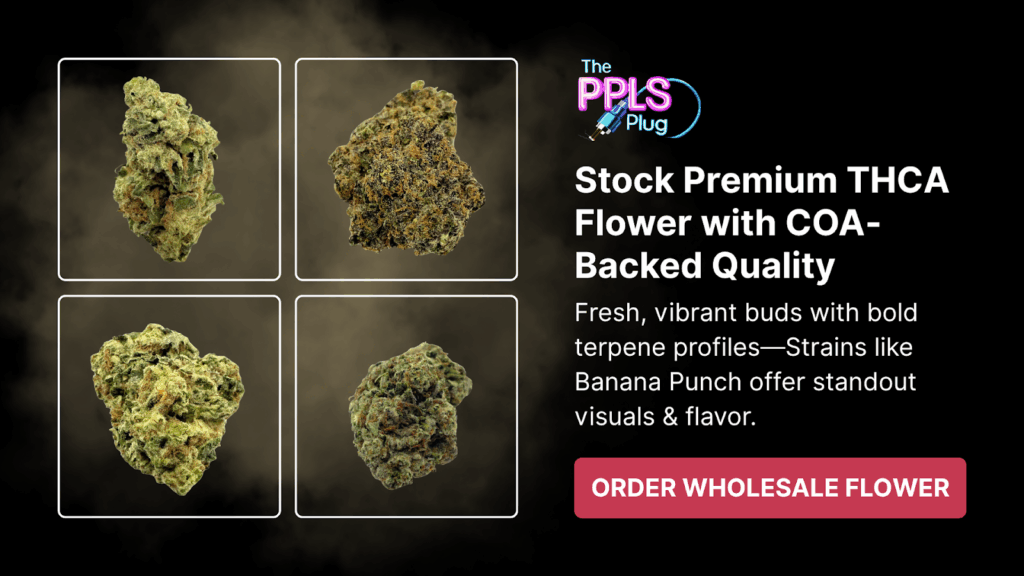
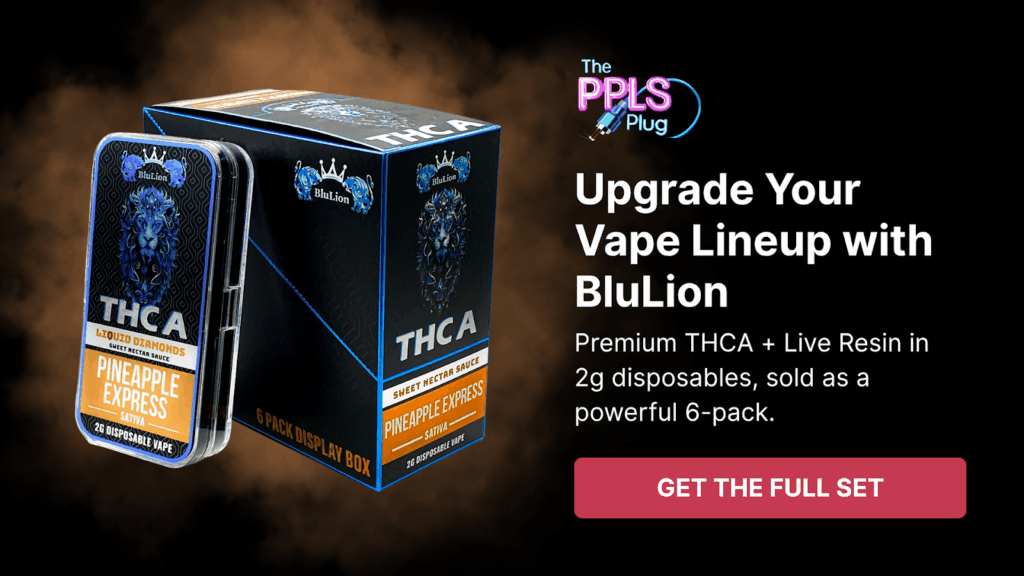
A diversified THCA product catalog enables wholesale buyers to serve a broader range of business needs while mitigating regulatory and operational risks. Offering multiple product categories enables businesses to adapt to shifting demand, maintain consistent revenue streams, and source responsibly within regulated frameworks.
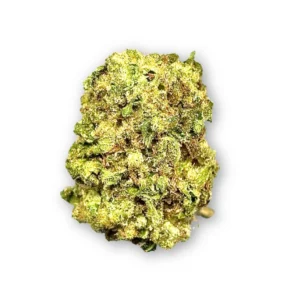
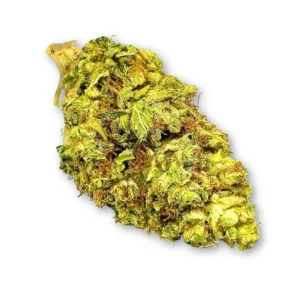
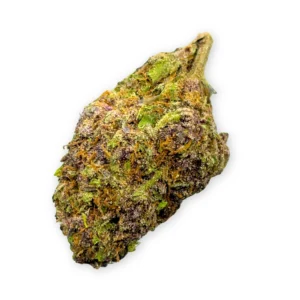
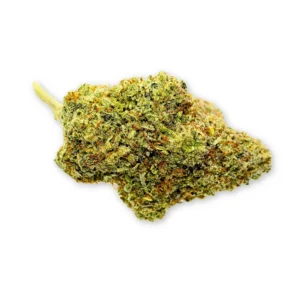
Flowers remain a core offering for many wholesale buyers due to their straightforward sourcing and transparent cannabinoid profile. Buyers prioritize freshness, structural quality, and verified lab results. Consistent cultivation practices, clear potency labeling, and batch-specific COAs are essential to support compliance and buyer confidence.
Concentrates provide flexibility for businesses supplying retailers or manufacturers. Formats such as shatter, wax, live resin, and diamonds support multiple downstream uses, including infused products and custom formulations. Supplier evaluation focuses on extraction methods, contaminant screening, and complete documentation to ensure regulatory alignment.
Edibles continue to grow in popularity as a preferred category due to their convenience and broad consumer appeal. For THCA edibles, dosage accuracy and ingredient consistency are critical. Wholesale buyers look for vendors that provide comprehensive COAs covering cannabinoids and ingredients, along with compliant packaging and shelf stability documentation.
Vape products add another layer of diversity but require careful vetting of suppliers. Buyers must consider oil purity, hardware safety, and heavy metal testing. Reliable suppliers provide detailed lab reports, hardware specifications, and consistent third-party testing to support regulatory expectations.
Carrying multiple product categories helps businesses reduce reliance on a single supply channel. If regulatory changes or supply disruptions affect one category, others can help maintain continuity and service levels for downstream partners.
Expanding a catalog requires disciplined sourcing practices. Each category presents unique compliance considerations, making transparent documentation and supplier accountability essential to achieving sustainable growth.
Packaging and labeling play a crucial role in determining whether THCA shipments move smoothly or encounter delays and seizures. Clear, accurate presentation helps protect inventory and maintain uninterrupted distribution.
Following consistent packaging and labeling standards reduces risk across THCA dropshipping operations. Clear documentation and compliant presentation help shipments move efficiently while protecting business continuity in regulated markets.
With the rapid evolution of the hemp marketplace, THCA dropshipping has emerged as a vital tool for licensed businesses aiming to serve customers efficiently and compliantly. Navigating this sector requires more than just product sourcing; it demands a commitment to thorough legal due diligence, transparent supply chains, and responsible partnerships. By prioritizing reputable suppliers that offer rigorous lab testing, clear Certificates of Analysis (COAs), and documented compliance, you strengthen your brand and safeguard your business against regulatory pitfalls.
At The PPLs Plug, we recognize that collective responsibility creates opportunity. Our marketplace exists not only to connect businesses with vetted, lab-tested THCA products but also to provide the resources and support necessary for community growth. Every vendor on our platform meets strict standards, reducing risk and equipping you to grow with confidence. As regulations and market dynamics shift, staying informed, vigilant, and connected remains crucial.
By leveraging ethical dropshipping practices, focusing on compliance, and collaborating within a trusted wholesale network, you can ensure sustainable growth in the hemp industry.
THCA dropshipping allows retailers to sell THCA products without holding inventory, as licensed suppliers fulfill and ship orders directly to customers.
THCA dropshipping mirrors traditional dropshipping logistics but adds compliance requirements, including age verification, COAs, licensing checks, and state-specific legality reviews.
THCA dropshipping is federally permitted for compliant hemp products; however, retailers must adhere to state laws, age verification rules, and documentation requirements to operate lawfully.
The legality of THCA varies by state, with some permitting sales under guidelines and others prohibiting hemp-derived cannabinoids, requiring constant monitoring of legislation.
Risks include shipment seizures, compliance violations, mislabeling issues, fulfillment delays, and reputational damage, which can be reduced by working with verified suppliers.
Most retailers need appropriate state hemp licenses to dropship THCA, and marketplaces like The PPLs Plug verify credentials during account approval.
Reputable THCA suppliers provide current COAs, verified licenses, clear fulfillment timelines, and transparent communication, often vetted through trusted B2B marketplaces.
A strong THCA supplier offers lab-tested products, up-to-date COAs, compliant shipping, responsive support, clear policies, and consistent fulfillment performance standards nationwide.
Sources: