
420 events have become a key moment in the annual calendar, bringing together communities, retailers, and brands across a wide range of formats. From large-scale festivals to smaller city gatherings and private industry functions, these events continue to grow in both size and structure. As 2026 approaches, the focus is shifting toward better organization, clearer product standards, and more consistent participation across different markets.
At PPLs Plug, we operate at the center of this movement by supplying businesses with reliable, hemp-derived THCa products backed by verified lab testing and transparent specifications. Our catalog is built to support retailers and distributors preparing for high-demand seasons, with bulk options, fast shipping, and a streamlined ordering process designed for efficiency. We understand what it takes to stay stocked, compliant, and ready when it matters most.
In this piece, we’ll break down must-attend 420 events for the 2026 season, including festivals, gatherings, and parties, and how businesses can prepare for them.
420 events have evolved into large-scale industry and community moments that bring together brands, retailers, and consumers under one shared calendar date. What started as localized meetups has expanded into nationwide activations, attracting businesses looking to align with seasonal demand and boost product visibility.
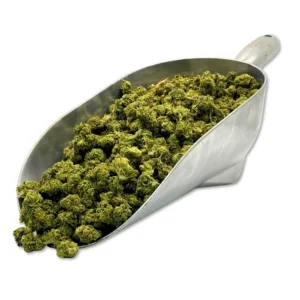
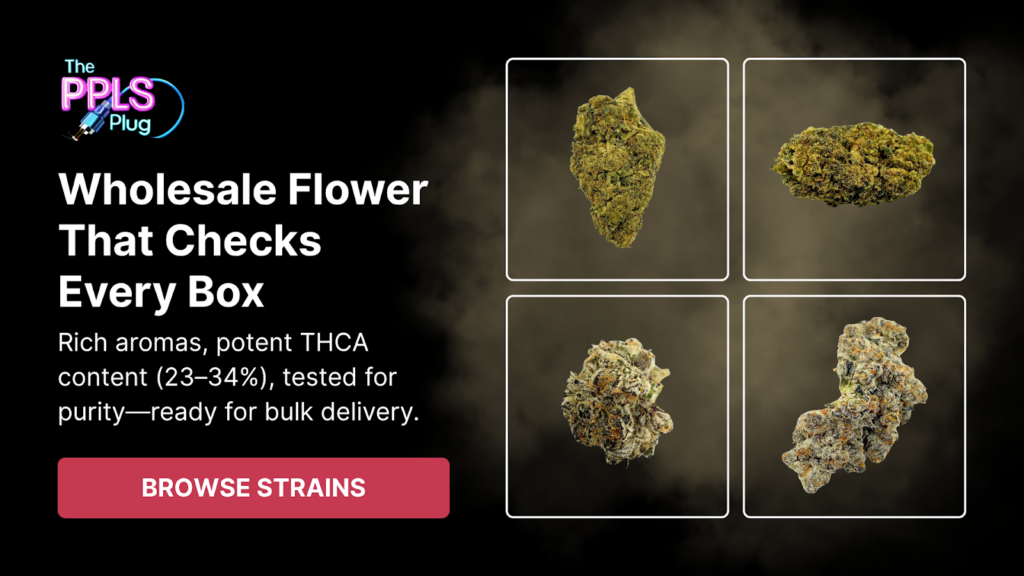
Product diversification is vital. Retailers and distributors are preparing for 420 events by stocking a wider range of formats, from flower to concentrates and pre-rolls. For example, sourcing reliable inventory, such as THCA hemp flower, allows businesses to meet varying customer preferences while maintaining quality and compliance.
The accessibility of wholesale supply chains has also made it easier for businesses to scale ahead of the season. Options like THCA wholesale provide bulk purchasing opportunities with clear specifications, helping retailers prepare for increased demand during peak event periods.
At the same time, event organizers are raising standards. There is a stronger emphasis on vendor transparency, proper labeling, and adherence to state-specific regulations. Businesses that arrive prepared with compliant, well-documented products are better positioned to participate in larger, more reputable 420 events.
As 2026 approaches, the continued growth of 420 events signals one thing clearly. Preparation is no longer optional. Businesses that align their inventory, compliance practices, and sourcing strategies in advance will stand out.
420 festivals remain central to the broader 420 events landscape, offering large-scale environments where brands, retailers, and consumers intersect. As these festivals continue to grow in structure and attendance, preparation, compliance, and product variety play a larger role in participation:
Cities like Denver, Los Angeles, and Toronto continue to lead the way in hosting well-organized 420 festivals. Denver’s Mile-High 420 Festival at Civic Center Park on April 20, 2026 is among the largest, with up to 50,000 attendees expected across two music stages, brand activations, and vendor areas. These locations are known for attracting high foot traffic, experienced vendors, and event organizers who prioritize structured layouts and regulatory alignment.
For businesses, participating in these cities means entering competitive environments where product presentation, compliance, and operational readiness are closely evaluated.
Modern 420 festivals are no longer informal setups. Organizers expect vendors to provide hemp-derived products that are backed by verified lab testing and accessible Certificates of Analysis.
Clear labeling, transparent sourcing, and adherence to state or provincial regulations are now baseline requirements. Businesses that meet these expectations are more likely to secure placement at larger and more reputable events.
Festivals create short windows of high demand, making inventory planning critical. Businesses need scalable supply options that can support multiple days of consistent sales and distribution.
Sourcing products like THCA concentrate bulk allows retailers and vendors to manage volume efficiently while maintaining product consistency across event interactions.
A diverse product lineup is essential for meeting different consumer preferences at festivals. Vendors are expected to offer multiple formats while maintaining compliance and clear specifications.
Options such as THCA pre-rolls support operational efficiency in fast-paced environments where quick transactions and consistent packaging are critical.
420 festivals are increasingly structured to support both consumer engagement and business operations. This includes designated vendor areas, compliance checks, and more organized event management.
As a result, these festivals are becoming more aligned with professional trade environments, where preparation, documentation, and reliable sourcing directly impact success.
420 gatherings continue to shape the local side of the 420 events landscape, offering more focused, city-driven experiences that complement large festivals. These gatherings often highlight regional trends, local vendors, and community engagement, making them essential for brands looking to expand their presence across different markets:
Major cities provide a strong foundation for 420 gatherings due to established retail networks and consistent consumer demand. Locations such as New York City, Chicago, and Vancouver host events that enable businesses to test new markets while complying with local regulations.
These gatherings are often smaller than festivals, but they offer more direct interaction between vendors and attendees. This creates opportunities for brands to present product specifications clearly, discuss sourcing, and build long-term retail relationships.
Many 420 gatherings prioritize local vendors, giving smaller businesses a platform to present their products alongside more established distributors. Events like the Underground 420 Festival in Los Angeles have drawn 5,000-plus attendees with a format built around vendor showcases, live music, and brand-level participation. This setup encourages transparency, especially around lab testing, COAs, and product consistency.
For businesses sourcing inventory, participating in these showcases highlights the importance of working with suppliers that provide clear documentation and reliable product availability. Consistency becomes a key factor when scaling across multiple city-based events.
Each city and state may have different requirements for hemp-derived products, making compliance a central focus at these gatherings. Event organizers often require vendors to provide detailed product information, including cannabinoid content and testing verification.
Brands that stay aligned with state-specific shipping restrictions and labeling requirements are better positioned to participate across multiple locations without disruption. This level of preparation supports smoother operations and stronger partnerships with event organizers.
420 parties represent a more curated segment of 420 events, often centered around private venues, brand-hosted experiences, and invite-only access. These events create controlled environments where businesses can focus on presentation, networking, and strategic partnerships:
Unlike large festivals, many 420 parties operate on a limited guest list. These settings are designed to bring together industry professionals, retailers, and select consumers in a more focused environment.
For brands, this allows for more detailed product discussions, clearer communication of specifications, and stronger relationship building without the distractions of large crowds.
420 parties are frequently organized or sponsored by brands looking to establish a stronger identity within the market. These events often highlight specific product lines, emphasizing consistency, sourcing transparency, and packaging standards.
Having reliable access to inventory, such as THCa hemp flower, supports these activations by ensuring that showcased products align with quality expectations and available supply.
These smaller-scale events are valuable for forming business connections. Retailers, distributors, and suppliers use 420 parties to discuss wholesale opportunities, review product catalogs, and explore long-term partnerships.
Access to scalable sourcing solutions like THCa Wholesale can support these conversations by offering clear bulk options, defined specifications, and efficient fulfillment timelines.
Because 420 parties are typically hosted in private venues, there is greater control over how products are presented and documented. This allows organizers to enforce compliance standards more consistently, including proper labeling and the availability of COAs.
For businesses, participating in these environments reinforces the importance of preparation, from inventory selection to ensuring that all products comply with applicable regulations.
420 celebrations continue to highlight the community-driven side of 420 events, bringing together local audiences, small businesses, and regional organizers. The 2026 season includes community events across more than a dozen states, from free admission gatherings like Hippie Hill in San Francisco to ticketed multi-day festivals with on-site regulated sales. These events often focus on accessibility, education, and consistent product standards, making them valuable for both emerging and established brands:
Community-led 420 celebrations are often organized by local groups and smaller businesses looking to create accessible event experiences. These setups prioritize direct interaction, giving attendees the opportunity to engage with vendors in a more personal setting.
For brands, this creates an environment where product details, sourcing practices, and compliance standards can be communicated clearly without the pressure of large-scale crowds.
Many 420 celebrations incorporate educational components, including vendor booths that focus on product specifications and lab testing. This helps set expectations around hemp-derived products and reinforces the importance of transparency.
Businesses that provide clear documentation, including Certificates of Analysis, are better positioned to build trust within these community environments.
These events often serve as a platform for smaller retailers and new vendors to introduce their offerings. This creates opportunities for collaboration and highlights the importance of consistent, scalable sourcing.
Having access to dependable inventory, such as THCa hemp flower or other bulk options, allows smaller businesses to participate confidently while maintaining product consistency across events.
Unlike large festivals, community 420 celebrations often occur across multiple neighborhoods or cities over an extended period. This requires businesses to maintain steady inventory levels and consistent product specifications.
Reliable sourcing, clear labeling, and adherence to local regulations all help ensure smooth participation across multiple community-driven events.
Preparation plays a defining role in how businesses show up during the 420 events season. With increased competition and higher expectations from organizers, brands are focusing on inventory planning, compliance alignment, and operational efficiency ahead of 2026:
Brands preparing for 420 events prioritize clear product specifications, including THCa percentages, available weights, and strain variety. A well-structured catalog allows businesses to meet demand across different event types while maintaining consistency.
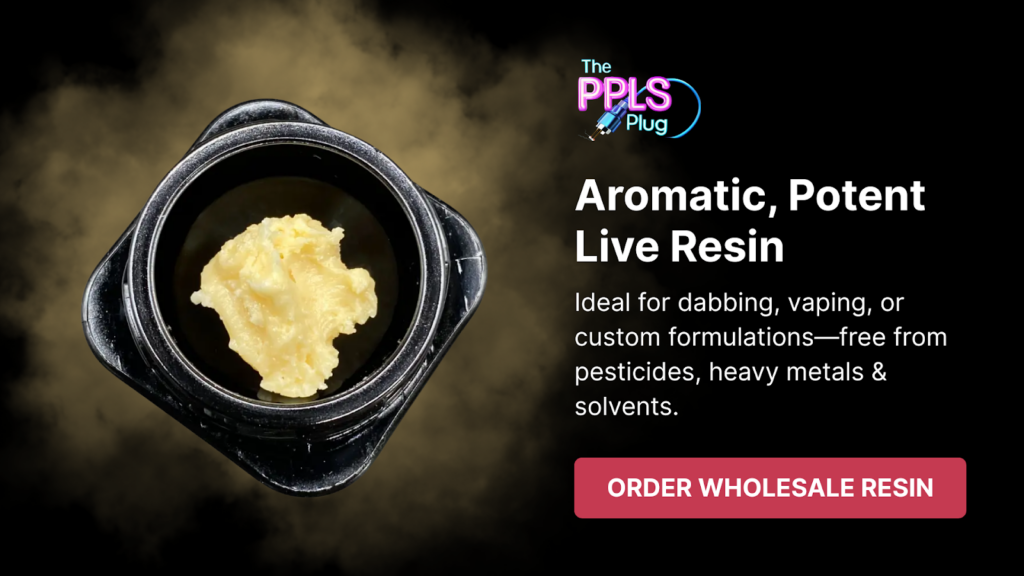
Sourcing from reliable suppliers, including bulk flower, concentrates, and pre-roll formats, supports scalability during high-traffic periods.
Transparency remains a key requirement across all 420 events. Businesses are expected to provide third-party lab testing results and Certificates of Analysis for their products.
Having this documentation readily available not only supports compliance but also strengthens credibility with both organizers and potential partners.
Wholesale sourcing remains a major factor in event preparation. Businesses are securing bulk inventory in advance to avoid disruptions during peak demand.
Working with suppliers that offer fast shipping, consistent stock availability, and clear product documentation allows brands to operate more efficiently across multiple events.
Shipping and distribution regulations vary by state and region, making it important for businesses to stay informed. Certain hemp-derived products may be subject to restrictions by location, which can affect event participation and inventory movement.
Aligning sourcing strategies with these regulations helps prevent delays and ensures smooth operations throughout the 420 season.
From staffing to logistics, operational readiness is essential. Businesses are preparing for increased foot traffic by organizing product displays, ensuring labeling compliance, and streamlining transaction processes.
Being fully prepared allows brands to focus on building connections and maintaining a professional presence across all 420 events.
The 2026 season is set to bring a more structured and opportunity-focused approach to 420 events, with festivals, gatherings, and private industry functions all playing a role in shaping the landscape. As expectations continue to rise, businesses are placing greater emphasis on preparation, including clearly defined product specifications, verified lab testing, and access to scalable, hemp-derived inventory that aligns with compliance requirements.
For PPLs Plug, success during the 420 season comes down to consistency, transparency, and operational readiness. Brands that stay aligned with regional regulations, maintain proper documentation such as COAs, and secure reliable supply chains ahead of peak demand are better positioned to move efficiently across events and build lasting industry relationships. These statements have not been evaluated by the Food and Drug Administration. These products are not intended to diagnose, treat, cure, or prevent any disease.
420 events refer to organized gatherings, festivals, and industry meetups centered around hemp-derived products and related business activity. In 2026, they hold greater significance due to increased structure, compliance standards, and expanded participation from both brands and retailers.
Attendance includes retailers, distributors, brands, and general consumers. Industry professionals often attend to evaluate products, connect with suppliers, and identify new business opportunities.
Most businesses begin preparations several months in advance to secure inventory, finalize logistics, and ensure compliance with local and regional regulations.
Events typically showcase a range of hemp-derived products, including flower, concentrates, and pre-rolls, all supported by lab testing and clear product specifications.
No, each city has its own regulations, event formats, and vendor requirements. This underscores the importance of adapting a business’s approach to the location.
Event organizers usually review vendor applications based on product quality, compliance documentation, and the ability to meet operational standards during the event.
Compliance is a key factor, encompassing labeling, lab testing, and adherence to state or provincial laws governing hemp-derived products.
Yes, smaller businesses can gain exposure, build partnerships, and better understand market expectations by participating in or attending these events.
Common challenges include managing high demand, maintaining consistent inventory, navigating regulations, and ensuring timely shipping and fulfillment.
They are likely to become more structured, with stronger emphasis on compliance, larger vendor participation, and increased focus on professional business interactions.