
Starting a vape shop involves more than choosing products and opening your doors. You need to understand regulations, sourcing, store setup, and how to maintain consistent inventory in a competitive market. From hemp-derived options like THCa, or tetrahydrocannabinolic acid, to standard vape products, every decision you make early on affects how your business runs day to day.
At The PPL’s Plug, we work closely with retailers who need reliable access to wholesale hemp-derived products backed by third-party lab testing and Certificates of Analysis. Our catalog includes a wide range of THCa formats with clear specifications, flexible quantities, and fast fulfillment designed to support growing businesses. We focus on transparency, compliance, and consistent supply so retailers can build and maintain their operations with confidence.
In this vape store startup guide, we will walk through how to start a vape business the right way, covering compliance, sourcing, setup, and strategies that support long-term growth.
The vape and hemp-derived product market continues to shift as regulations evolve and new product formats enter the space. Anyone researching how to open a vape shop needs to understand both compliance requirements and product fundamentals early on. This includes familiarity with hemp-derived compounds like THCa (tetrahydrocannabinolic acid), as well as the importance of third-party lab testing and Certificates of Analysis for every batch you carry.
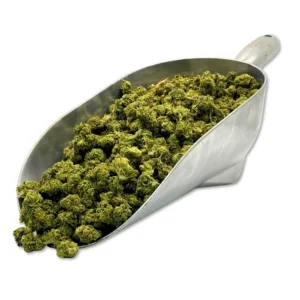
Inventory decisions shape your store’s performance from the start. Many retailers balance consistent, high-volume products with flexible sourcing options to manage margins and variety. Scalable supply channels, such as THCa flower pounds for cheap, broader selections like bulk THCa flower, allow you to maintain stock while adapting to demand across different strains and quantities.
Competition is no longer limited to nearby shops. Online stores and hybrid retail models have changed how customers browse and buy, making pricing, product transparency, and availability more important than ever. Staying current with regulations, sourcing standards, and market trends is a core part of running a sustainable vape business.
Running a vape shop requires careful attention to regulations that affect both your business and the products you carry. From licensing to product verification, every step must align with current laws and standards to maintain a compliant operation:
Retail licensing requirements vary depending on your state and municipality, so it’s important to confirm what permits are needed before opening your doors. This often includes general business licenses, tobacco or vape retail permits, and zoning approvals that determine where your shop can legally operate.
Every product you stock should be supported by third-party lab testing and a Certificate of Analysis (COA). These reports verify cannabinoid content, confirm legal thresholds, and provide transparency for both regulators and customers, especially when working with hemp-derived products like THCa (tetrahydrocannabinolic acid).
Hemp-derived products are federally legal under certain conditions, but state laws can differ significantly. Some regions restrict specific product types or impose additional rules on shipping and distribution, so it’s essential to stay updated and adjust your inventory accordingly.
Clear product labeling, compliant packaging, and proper storage all contribute to a responsible retail environment. Daily operations should also include strict age verification at checkout and accurate product representation to meet legal expectations and maintain customer trust.
A well-structured business plan sets the steps for opening a vape shop business and sustaining it over time. It defines how your store will operate, whether you focus on a physical location, an online model, or both. This decision shapes your daily operations, customer reach, and overall positioning in a competitive market.
Financial planning is a core part of this process. You need a clear view of startup costs such as licensing, inventory, and retail space, along with ongoing expenses like restocking and staffing. Strong supplier relationships also play a key role in maintaining consistency, with many retailers sourcing from options like THCa flower wholesale while expanding into products such as THCa pre rolls wholesale to support a broader catalog.
Long-term growth depends on how well your plan adapts over time. As your customer base expands, you may increase order volumes, refine pricing strategies, or introduce new product categories. A flexible, well-documented plan allows you to make informed decisions while keeping your operations aligned with compliance and market demand.
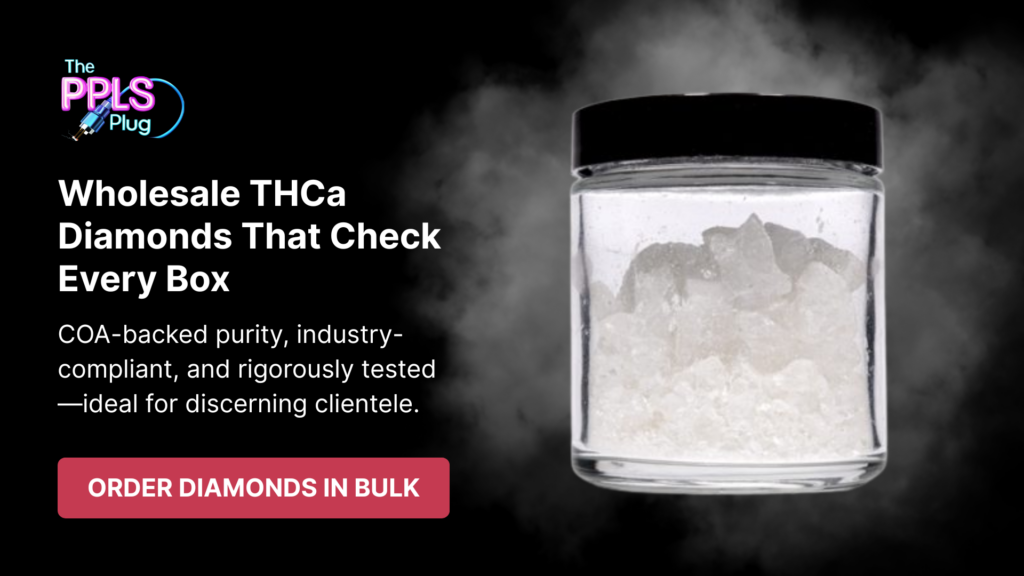
Selecting the right location and organizing your retail space are key parts of building a functional and compliant vape shop. These decisions affect customer access, product visibility, and how efficiently your daily operations run:
Sourcing inventory is a critical part of starting a vape business, as it directly affects product consistency, compliance, and long-term scalability. Your supplier network should provide reliable access to hemp-derived products that are third-party lab-tested and accompanied by clear documentation. This includes Certificates of Analysis that verify cannabinoid content and confirm products meet legal requirements.
Working with verified wholesale suppliers helps reduce risk and keeps your operation aligned with industry standards. Strong suppliers provide detailed product specifications, batch-level transparency, and dependable fulfillment timelines. These factors make it easier to maintain a steady inventory while staying compliant with evolving regulations and state-specific restrictions.
A balanced inventory strategy supports both variety and efficiency. Retailers often expand their catalogs with options like exotic THCa flower wholesale to offer a wider range of strains, while also relying on bulk purchasing to maintain consistent stock levels. This approach allows you to meet demand without overcomplicating your supply chain.
Consistency across your supply chain is what keeps operations running smoothly. Establishing long-term relationships with dependable wholesalers helps you plan reorders, avoid stock gaps, and maintain a stable product flow. With proper sourcing and documentation in place, your inventory becomes a reliable foundation for growth.
Product selection and pricing shape how your store performs in a competitive market. A well-structured retail strategy focuses on offering a clear, organized catalog while maintaining pricing that supports both sales volume and sustainable margins:
Your product mix should include core items that drive consistent sales alongside specialized options that expand your offering. This can include a range of hemp-derived formats such as flower, pre-rolls, and other compliant products, all supported by verified lab testing and clear specifications.
Pricing should reflect both your cost structure and local competition. Setting prices too low can limit growth, while pricing too high may reduce turnover, so it’s important to find a balance that supports steady sales and long-term profitability.
A well-organized store makes it easier for customers to browse and for staff to manage inventory. Grouping products by category, format, or specification helps streamline both the shopping experience and daily operations.
Customer preferences and product trends can shift quickly, so your strategy should remain flexible. Monitoring sales patterns and adjusting your catalog allows you to stay aligned with demand while keeping your inventory relevant.
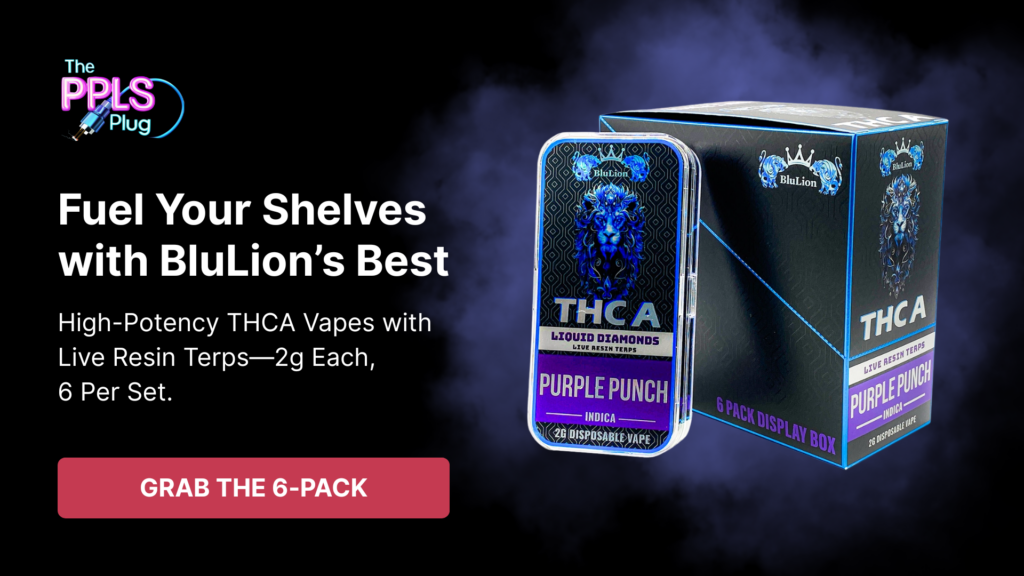
Vape shop setup steps require more than securing a location and stocking inventory. They involve understanding regulations, building reliable supplier relationships, and maintaining a product catalog that aligns with compliance standards. Each part of the process contributes to how well your business operates over time.
Consistency in sourcing, clear documentation, and a structured retail strategy all support long-term growth. From selecting hemp-derived products backed by lab testing to organizing your store for efficiency, every decision contributes to maintaining a stable, compliant operation. Staying informed about industry updates and adapting when needed keeps your business aligned with current requirements.
As you move forward, focus on building a system that can scale without compromising quality or compliance. A well-planned approach enables you to manage inventory effectively, meet customer expectations, and operate with confidence in a competitive, regulated market.
Requirements vary by location, but most businesses need a general business license, a retail or tobacco-related permit, and zoning approval. Always check state and city regulations before launching.
Startup costs depend on location, store size, and inventory volume. Expenses typically include licensing, lease deposits, initial inventory, fixtures, and operational setup.
Yes, if the products meet federal guidelines and are permitted in your state. Always verify local laws and ensure all products are supported by lab testing and proper documentation.
An online store is not required, but it can expand your reach and provide an additional revenue stream. Many retailers use a hybrid model to balance local and digital sales.
Look for suppliers that provide third-party lab testing, Certificates of Analysis, and clear product specifications. Consistent fulfillment and transparent documentation are key indicators of reliability.
A well-rounded shop typically includes vape devices, accessories, and hemp-derived products such as THCa flower and pre-rolls, all supported by compliant sourcing and testing.
Yes, marketing is often regulated, especially regarding age-restricted products. Advertising must follow local laws and avoid targeting underage audiences.
Timelines vary depending on licensing, location approval, and setup. It can take anywhere from a few weeks to several months to fully launch.
You should maintain business licenses, supplier invoices, and Certificates of Analysis for all products. These documents help demonstrate compliance during inspections or audits.
Yes, business insurance helps protect against liability, property damage, and operational risks. It is an important part of running a secure retail operation.