
Starting a hemp retail business with wholesale suppliers requires a clear plan, reliable sourcing, and a strong understanding of how the market operates. From choosing the right product categories to managing inventory and compliance, each step plays a role in how your store performs. Retailers entering this space need to focus on consistency, transparency, and building a product lineup that meets both regulatory standards and customer expectations.
At The PPLs Plug, we work directly within the wholesale hemp supply chain, offering a wide catalog of hemp-derived products backed by third-party lab testing and verified specifications. Our focus is on providing scalable inventory options, fast order processing, and clear product data so retailers can operate with confidence and maintain consistency across their stores. From bulk THCa flower to pre-roll wholesale formats, our catalog is built to support businesses at every stage of growth.
In this piece, we will cover how to start a hemp retail business with wholesale suppliers, including compliance, sourcing strategies, product selection, and store setup.
Entering the hemp retail space starts with understanding market expectations and compliance requirements. Hemp-derived products, including THCa (tetrahydrocannabinolic acid), require proper documentation, lab testing, and alignment with federal and state regulations. Strong product knowledge and verified sourcing are essential from the beginning.
Defining your store model early helps guide inventory and pricing decisions. Some retailers focus on bulk purchasing, while others build a curated selection of flower, pre-rolls, or specific strains. Wholesale suppliers play a key role by providing consistent inventory, clear specifications, and Certificates of Analysis, helping maintain stability as your business grows.
Running a hemp retail business requires understanding key regulations and staying compliant at every stage. From licensing to product handling, each part of your operation must follow current legal standards:
Hemp must contain no more than 0.3 percent delta-9 THC under federal law. States may have additional rules, so always verify local requirements.
Check if your state or city requires permits to sell hemp products. Securing approvals early helps avoid delays.
All products should include third-party lab results and Certificates of Analysis to confirm compliance.
Products must display accurate details, including batch numbers, weights, and testing references.
Shipping rules vary by state, and some products may be restricted. These statements have not been evaluated by the Food and Drug Administration. These products are not intended to diagnose, treat, cure, or prevent any disease.
Choosing the right supplier affects your inventory, compliance, and daily operations. A reliable partner should offer clear documentation, consistent stock, and structured ordering:
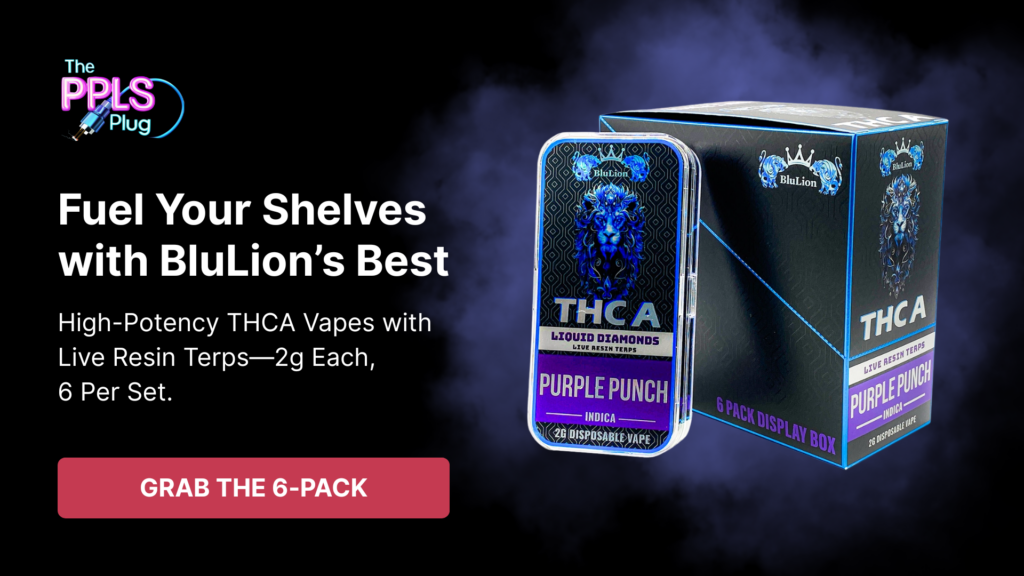
A strong product strategy keeps your inventory organized, compliant, and aligned with demand. Focus on clear categories, verified specifications, and reliable sourcing:
Setting up your store involves more than securing inventory. It requires a structured approach to how your products are presented, how your brand is positioned, and how your supplier relationships support daily operations. A clear setup ensures your business runs efficiently while maintaining compliance and transparency:
Your store layout should make it easy to navigate product categories such as flower, pre-rolls, and specialty items. Organizing products with clear labeling, batch details, and supporting documentation helps create a professional retail environment. Whether operating a physical location or an online store, clarity in presentation supports customer trust and smoother transactions.
Branding defines how your business is recognized in a competitive market. This includes your store design, packaging approach, and the way product information is communicated. A consistent brand identity should reflect reliability, transparency, and a focus on verified product quality rather than trends or assumptions.
Your suppliers should be aligned with your operational workflow. This means having reliable access to product specifications, lab results, and consistent inventory updates. Seamless coordination between your store and your suppliers reduces delays and helps maintain accurate stock levels across all product categories.
Every aspect of your store should reflect compliance standards, from product labeling to information display. Customers should have access to Certificates of Analysis and clear product details at all times. Maintaining this level of transparency supports both regulatory requirements and long-term credibility.
Opening your hemp shop requires preparation beyond the initial setup. This includes confirming inventory levels, ensuring all documentation is in place, and establishing a consistent ordering schedule with your suppliers. A well-prepared launch sets the tone for ongoing operations and helps maintain stability as your business grows.
Building a hemp retail business with wholesale suppliers depends on a structured approach that prioritizes compliance, product transparency, and reliable sourcing. From market understanding to supplier selection and store organization, each step supports consistent operations and a clear retail strategy.
Strong wholesale relationships help maintain steady inventory, accurate product specifications, and scalable ordering as your business grows. Staying aligned with regulations, keeping documentation organized, and refining your product mix over time will support long-term stability.
These statements have not been evaluated by the Food and Drug Administration. These products are not intended to diagnose, treat, cure, or prevent any disease.
Costs vary by store size, inventory, and location. Smaller setups need less capital, while larger stores require more upfront investment.
Look for third-party lab results, clear product specs, and Certificates of Analysis for each batch.
Yes, but you must follow state rules for shipping, product listings, and age requirements.
Avoid products without lab testing, clear sourcing, or proper labeling.
Restock based on sales trends. Many retailers use a consistent ordering schedule.
Yes, insurance helps cover risks like liability and general operations.