
Definition:THCa vs. Delta-9 refers to the comparison between tetrahydrocannabinolic acid (THCa) and Delta-9 THC, two closely related cannabinoids found in hemp. The distinction is based on chemical structure, testing methods, and classification under federal regulations. Science:THCa contains an additional carboxyl group that differentiates it from Delta-9 THC. Through a process called decarboxylation, THCa converts to Delta-9 THC when heated. Lab reports measure both values separately to provide a complete cannabinoid profile. Examples:A hemp flower batch may show high THCa content with Delta-9 THC remaining within the 0.3% federal limit. Wholesale products such as THCa flower, pre-rolls, and strain-specific batches are typically sold with COAs that list both cannabinoids. Fact:Delta-9 THC is the federally regulated compound used to define hemp legality, while THCa is included in testing to give buyers full visibility into cannabinoid composition and product specifications. |
THCa vs. Delta-9 is a common comparison across the hemp-derived market, especially as businesses prepare inventory for 420. Both compounds originate from the same plant, but they are classified, tested, and labeled differently under federal guidelines. Understanding how each is defined helps retailers, distributors, and buyers make informed decisions about product selection, compliance, and supply planning.
At The PPLs Plug, we focus on delivering hemp-derived THCa products with clear specifications, verified lab testing, and consistent bulk availability. Every batch is supported by third-party Certificates of Analysis (COAs), giving our partners full visibility into cannabinoid content and compliance status. With a wide catalog of strains, flexible volume options, and efficient order processing, we support businesses looking to scale with transparency and reliability.
In this piece, we’ll break down THCa vs. Delta-9, covering how each compound is defined, how they differ in testing and compliance, and what to evaluate when preparing inventory for 420.
At The PPLs Plug, clarity starts with accurate terminology and product transparency. THCa, short for tetrahydrocannabinolic acid, is a naturally occurring cannabinoid found in raw, unprocessed hemp flower. Delta-9 THC is currently the compound measured for federal compliance, with the Delta-9-only standard setting a 0.3% threshold by dry weight, though federal hemp regulations are set to expand that threshold to include total THC and THCA when P.L. 119-37 takes effect in November 2026.
For retailers, distributors, and bulk buyers preparing for 420, this difference directly impacts how products are categorized and sourced. THCa-rich flower is evaluated based on its pre-conversion cannabinoid profile, while Delta-9 THC is the regulated metric used in lab testing, labeling, and compliance verification. This makes it essential for businesses to review Certificates of Analysis (COAs) to confirm cannabinoid content and ensure products meet federal and applicable state requirements.
From a wholesale standpoint, THCa flower is available in a wide range of strains, cannabinoid percentages, and volume options to support scalable inventory planning. At The PPLs Plug, all products are backed by third-party lab testing for consistency and transparency. Businesses looking to secure supply can explore options like bulk THCa flower to streamline purchasing while maintaining verified product specifications. Buyers should also be aware of state-specific shipping restrictions before placing orders.
These statements have not been evaluated by the Food and Drug Administration. These products are not intended to diagnose, treat, cure, or prevent any disease.
Understanding THCa compared to Delta-9 starts at the molecular level. THCa, or tetrahydrocannabinolic acid, contains an additional carboxyl group that differentiates it from Delta-9 THC. This structural distinction is what keeps THCa in its original state within raw hemp flower. Delta-9 THC forms only after this group is removed through a process called decarboxylation, which involves exposure to heat over time.
For hemp-derived product classification, this conversion process is critical. Lab testing captures cannabinoid content before any transformation, so THCa and Delta-9 are reported separately in Certificates of Analysis (COAs). This allows retailers and distributors to verify compliance based on Delta-9 THC levels while also understanding the total cannabinoid potential of a given batch. Accurate reporting supports proper labeling, inventory decisions, and regulatory alignment across different markets.
From a supply perspective, THCa-rich flower offers flexibility for businesses managing diverse product catalogs. At The PPLs Plug, inventory is organized with detailed cannabinoid breakdowns, strain identification, and batch-specific COAs to maintain transparency at scale. Buyers sourcing larger quantities can explore options like THCa flower wholesale to secure a consistent supply backed by verified testing and clear documentation.
These statements have not been evaluated by the Food and Drug Administration. These products are not intended to diagnose, treat, cure, or prevent any disease.
The difference between THCa and Delta-9 in hemp-derived products is most visible in how each is measured, labeled, and brought to market. THCa exists in raw hemp flower prior to conversion, while Delta-9 THC is the regulated compound used to determine federal compliance. This means products can carry high THCa percentages while still meeting the legal threshold of no more than 0.3% Delta-9 THC by dry weight, as verified through third-party lab testing.
For retailers and distributors, this distinction directly affects inventory selection and product categorization. COAs outline both THCa and Delta-9 levels, allowing buyers to confirm compliance and maintain accurate labeling across product lines. This is especially important when managing multi-state distribution, where hemp-derived product acceptance and shipping regulations may vary. Clear documentation ensures consistency, reduces risk, and supports informed purchasing decisions at scale.
At The PPLs Plug, hemp-derived THCa products are available in multiple formats, including loose flower and pre-rolls, with detailed specifications for each batch. Businesses looking to expand their catalog can explore options such as THCa pre-rolls wholesale to diversify their inventory while maintaining access to verified lab results and a reliable supply. As always, buyers should review state-specific shipping restrictions before placing orders.
These statements have not been evaluated by the Food and Drug Administration. These products are not intended to diagnose, treat, cure, or prevent any disease.
THCa versus Delta-9 THC is a key distinction when evaluating legal status and compliance requirements for hemp-derived products. Under the 2018 Farm Bill, Delta-9 THC is the primary compound used to determine whether a product qualifies as hemp, with a federal limit of 0.3% Delta-9 THC by dry weight. THCa is not directly capped under this framework, but it is still reported in lab testing to provide a complete cannabinoid profile for each batch.
For businesses operating in wholesale and distribution, compliance depends on accurate testing and documentation. Third-party lab reports, or Certificates of Analysis (COAs), must clearly show Delta-9 THC levels alongside THCa content. This ensures products are properly labeled and meet federal standards before entering the supply chain. It also supports transparency with buyers who require verified specifications when sourcing bulk inventory.
State-level regulations can vary, which makes it important for retailers and distributors to stay informed about where products can be shipped and sold. At The PPLs Plug, all hemp-derived THCa inventory is backed by verified COAs and organized for efficient bulk ordering. Businesses looking for high-volume sourcing options can explore exotic THCa flower wholesale to access strain-specific inventory with clear compliance documentation. Always confirm local and state regulations before placing orders to ensure alignment with current requirements.
These statements have not been evaluated by the Food and Drug Administration. These products are not intended to diagnose, treat, cure, or prevent any disease.
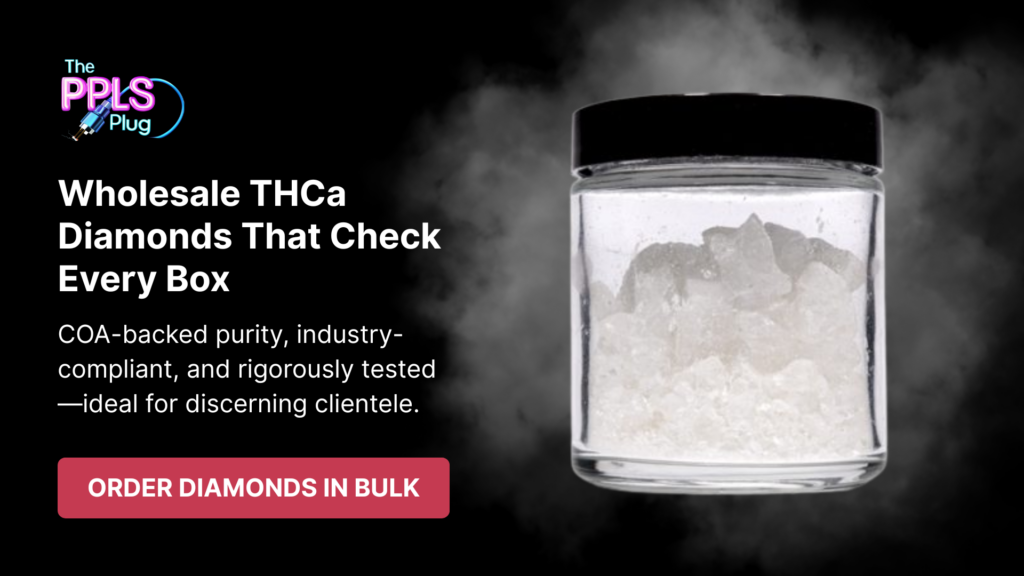
Choosing between THCa and Delta-9 THC for 420 depends on how products are categorized, sourced, and aligned with compliance requirements. THCa-dominant hemp flower is evaluated based on its pre-conversion cannabinoid profile, while Delta-9 THC remains the regulated compound used for federal legality. For retailers and distributors, this makes THCa products a practical option within hemp-derived inventory, provided all batches are supported by compliant Delta-9 levels and verified lab testing.
From a business standpoint, 420 often brings increased demand, making consistency, volume availability, and documentation especially important. THCa flower is available in a wide range of strains, cannabinoid percentages, and batch sizes, allowing buyers to tailor their inventory to their market needs. Reviewing COAs ensures that each product meets compliance standards while also providing transparency into cannabinoid content, helping businesses maintain accurate labeling and reliable supply.
At The PPLs Plug, wholesale buyers can access scalable inventory designed for seasonal demand, including options like THCa flower pound for cheap to support bulk purchasing strategies. With clearly documented specifications, fast order processing, and consistent product availability, businesses can prepare for 420 with confidence while staying aligned with federal and state regulations. Always verify local shipping restrictions before placing orders.
These statements have not been evaluated by the Food and Drug Administration. These products are not intended to diagnose, treat, cure, or prevent any disease.
Wholesale THCa sourcing requires a clear understanding of product formats, documentation, and supply consistency. For businesses preparing inventory at scale, having access to structured options and verified specifications supports efficient purchasing decisions and compliance alignment:
THCa products are available across multiple formats, including loose flower, pre-rolls, and strain-specific batches. Each option is categorized with detailed information, including strain names, cannabinoid percentages, and batch identifiers, allowing businesses to build a diverse, organized product catalog.
Every wholesale order should be supported by third-party lab testing and Certificates of Analysis (COAs). These documents outline THCa and Delta-9 THC levels, ensuring compliance while giving buyers full visibility into product specifications before purchasing.
Managing larger operations requires access to flexible volume options and consistent supply. At The PPLs Plug, inventory is structured to support bulk purchasing with multiple weight tiers and strain availability, helping businesses maintain steady stock levels during high-demand periods.
Efficient ordering processes are essential for wholesale buyers. Streamlined account approval, fast shipping timelines, and organized product listings allow businesses to move quickly from sourcing to stocking without delays.
Hemp-derived THCa products must meet federal Delta-9 THC limits and may be subject to state-specific shipping restrictions. Businesses should always verify local regulations before placing orders to ensure compliance across their distribution network.
These statements have not been evaluated by the Food and Drug Administration. These products are not intended to diagnose, treat, cure, or prevent any disease.
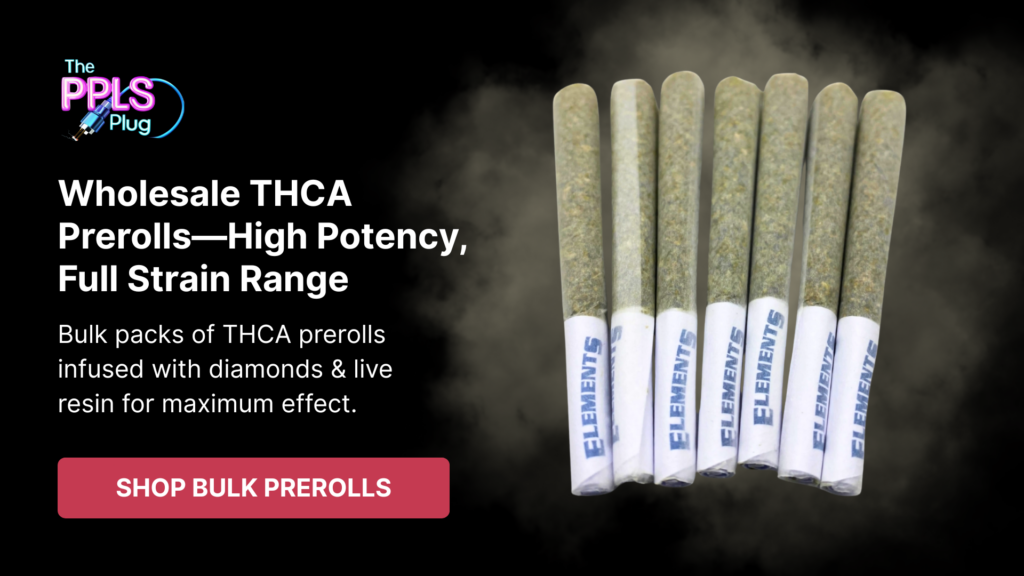
THCa vs. Delta-9 shapes how hemp-derived products are tested, labeled, and sold. Delta-9 THC determines federal compliance, while THCa reflects the pre-conversion cannabinoid profile used to evaluate inventory.
For businesses, success depends on verified COAs, consistent supply, and clear documentation. At The PPLs Plug, we offer transparent, bulk THCa options to support compliant, scalable inventory.
These statements have not been evaluated by the Food and Drug Administration. These products are not intended to diagnose, treat, cure, or prevent any disease.
THCa and Delta-9 THC are listed separately in Certificates of Analysis (COAs). THCa reflects the cannabinoid content before conversion, while Delta-9 THC shows the amount used to determine federal compliance.
Hemp-derived products can naturally contain higher levels of THCa while remaining compliant, as long as Delta-9 THC stays at or below 0.3% by dry weight according to federal guidelines.
Retailers should review COAs for both cannabinoids, confirm Delta-9 compliance, and assess batch consistency, strain details, and overall documentation before making purchasing decisions.
No. While federal law focuses on Delta-9 THC limits, some states have additional rules that may impact how THCa products are shipped, sold, or stocked.
Decarboxylation is the process by which THCa converts to Delta-9 THC when heated, which is why both values are important in product analysis and labeling.
Federal law specifically defines hemp based on Delta-9 THC concentration, making it the primary measurement for determining whether a product qualifies as hemp-derived.